Reaching the women most at risk
Dr Clare Craig
AMMENDMENT: N.B. This article has been edited. It had implied all chapatti flour (atta) was wholemeal which is wrong. Much of the atta sold in Britain is white or blended. The error came from mis-reading a December 2024 Lords debate. In answer to a question about fortifying chapatti flour the response came that all non-wholemeal flour would be fortified and consideration would be given to chapatti flour.
| Key points Neural tube defect risk is highest among women of Indian and Bangladeshi origin. They are also the least likely to take a folic acid supplement before pregnancy. Despite their higher risk these groups only account for about one in fourteen affected pregnancies. Around seven in eight are to White mothers. The mandate is justified partly as a way to reach women who do not supplement. That description fits these women on both risk and uptake. Suggestions have even been made that rice should be fortified with folic acid. |
The clearest recent estimate of how neural tube defect risk varies by ethnicity in Britain comes from a study of congenital anomaly registers in England and Wales. After adjustment for deprivation and maternal age, mothers of Indian ethnicity were 1.84 times as likely as White mothers to carry a pregnancy affected by a neural tube defect, and Bangladeshi mothers 2.86 times as likely. The excess among Indian mothers was concentrated in anencephaly and in cases occurring alongside other anomalies, which the authors linked to possible genetic factors rather than to folate intake. Findings for Pakistani mothers have varied between regions.
These same groups take folic acid before pregnancy least often. Among nearly half a million women screened in London, 35 per cent of White women reported taking a supplement before conception, against 20 per cent of South Asian women.
It is important to note that the elevated rate translates into a small number of cases. In the register data used for the ethnicity analysis, 52 of 748 affected pregnancies were to mothers of Indian, Pakistani or Bangladeshi ethnicity, about one in fourteen, with roughly seven in eight to white mothers.
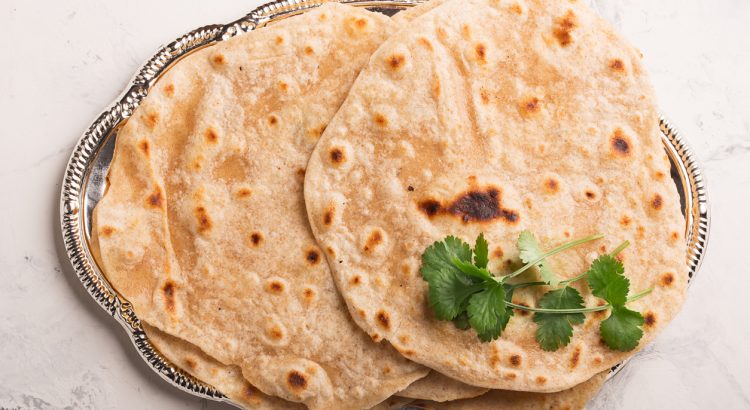
The justification for a mandate in food has been based on the claim that is what is required to reach women at risk who do not take supplements. In December 2024, when a peer asked that folic acid reach chapatti flour so the policy did not widen inequalities, the minister replied that fortification applied to non-wholemeal products, that wholemeal was already a higher source of folate, and that chapattis would be considered along with all other products.
The Bread and Flour (Amendment) Regulations 2024 require folic acid in non-wholemeal wheat flour only. Non-wholemeal chapatti flour is is included in that. For Bangladeshi women, rice is a more common staple than for Pakistani and Indian women. Experts have already written in the BMJ advising that rice as well as bread should be fortified.
What is of importance here is that there may be a reason why this group has the highest risk which could help unravel the underlying mechanism. Instead of investigating, the government have reached for a blanket policy of mass medication that exposes millions to benefit only a few.