In this 5th article from his ‘Lest We Forget’ series, Hugh McCarthy has teamed up with Professor Diane Rasmussen of UK Column. They looks at the toll of lockdowns on university students. Including interviews with university staff and also linking to testimony from the UK C-19 Inquiry Module 8 (Children & Young People).
Mental health
Lest We Forget Part 4 – A Voice to the Silenced
‘Lest We Forget’ is a five part series written by headmaster Hugh McCarthy and published in UKColumn, in which he pulls apart the disaster of lockdowns and school closures for children. In part 4, he looks at the experiences of teachers and carers.

Nocebo effects during the covid event:
What was the major cause of the harms reported during the covid event? Disparity of opinion persists about the relative contributions of various factors to the documented morbidity for the period 2020 to 2022. Proponents of the official government narrative continue to assert that a novel virus was predominantly responsible. Meanwhile, many critics of the ‘pandemic’ story highlight the pervasive consequences of the covid restrictions and responses (such as lockdowns, masks, vaccines, and business closures). Other commentators offer evidence of data manipulation and fabrication.
Yet there is another potential contender for chief culprit that is rarely considered: the nocebo effect…..

Pick of the Week 20th July
SSRIs another market spinner?; Which countries rejected the WHO health regulations?; Lord Alton pushing back on the twin disasters of legalising late abortions and assisted dying; and finally say NO to digital ID.
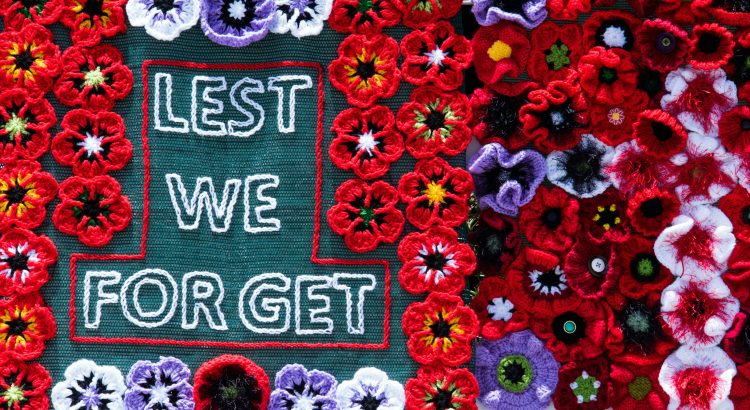
Let’s not forget the mass casualties of the covid RESPONSE – Part 1
The ‘Covid day of reflection’ took place on the 9th of March 2025 to commemorate the victims of the ‘pandemic’. This article focuses here will be on a much larger, and often forgotten, group of victims of this era: those who were harmed or killed by the range of unprecedented and non-evidenced responses to a presumed novel virus.
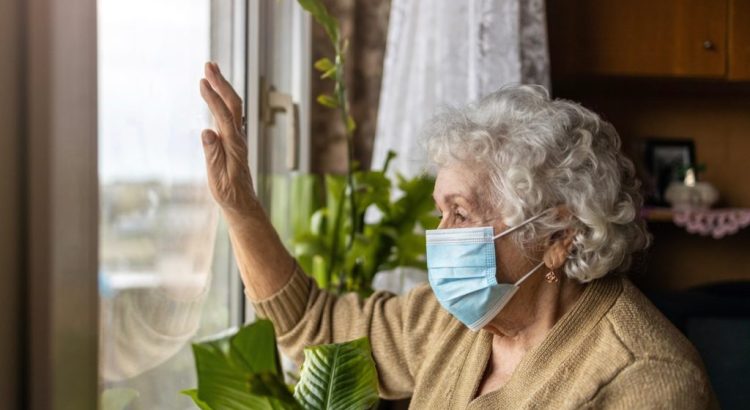
The Curse of Masks in Health and Social Care:
Why are some care homes still restricting visitors and insisting on mask wearing? Have the elderly residents not suffered enough? This article includes testimony from the Scottish Covid Inquiry.
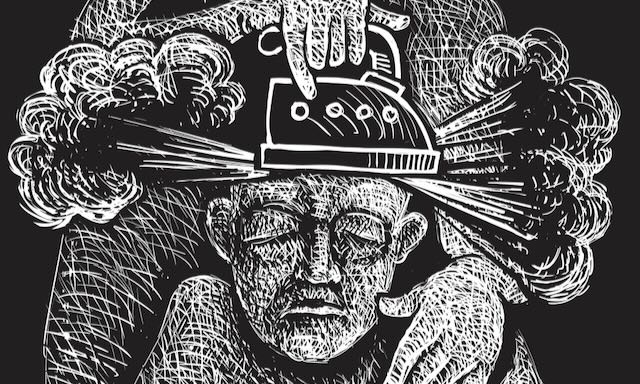
NUDGE DENIALISM: Why are the state’s psychological experts distancing themselves from behavioural science?
The state’s reliance on behavioural science strategies – ‘nudges’ – to facilitate the public’s compliance with covid restrictions has been widely documented. The many psychologists and behavioural scientists advising the government during the covid event (such as those in the SAGE subgroup, SPI-B, and the Behavioural Insight Team, BIT ) have, reasonably, been assumed to hold a significant degree of responsibility for using these methods of persuasion in communication campaigns

The Assaults on our young have reached peak insanity
The myriad of harmful phenomena includes graphic and age-inappropriate sex education, gender identity confusion, under-researched and addictive vapes, doomsday climate change propaganda, phones that enable pornographic addiction and self-esteem wrecking social media. All are escalating at a time when the young are extremely vulnerable and in need of adults’ protection, rather than neglect, exploitation or other forms of abuse.
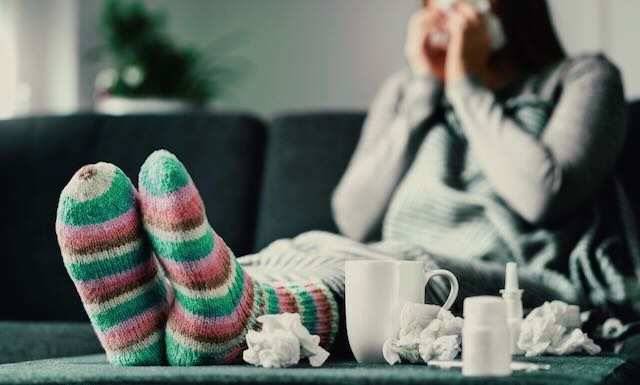
The impact of the covid response upon workplace absenteeism
The Office of National Statistics has estimated that, in 2022, 185.6 million working days were lost due to sickness, the highest figure recorded since records began. The British economy loses £43 billion a year from this growing ‘disease burden’, with around a third of this strain being attributed to mental health problems.
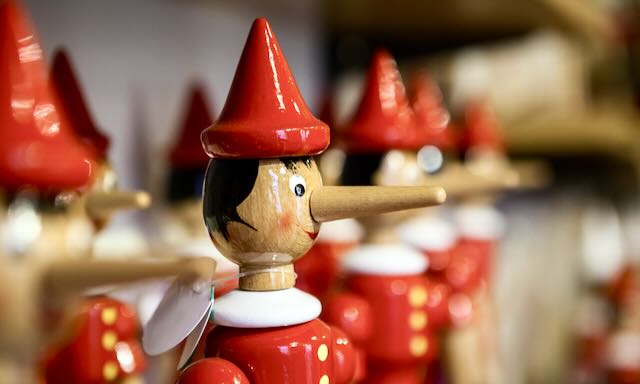
The ‘nudgers’ deny responsibility for covid fear mongering
Alongside society’s increasing recognition of the pervasive harms caused by the unprecedented covid responses, those culpable for the disastrous policies seem to be struggling to accurately recall their contribution to the madness.

Public-Health Communications Strategy Endorsed in full… by Public-Health Communications Strategists
On December 1st, 2022, the Department of Health and Social Care released a document titled ‘Technical report on the COVID-19 pandemic in the UK’. Including Chris Whitty (Chief Medical Officer) and Patrick Vallance (Chief Scientific Advisor) among its multiple authors, the report is specifically aimed at future medical, scientific and public health leaders, and is intended to relay what they have learnt from their experiences over the last three years.
How do we support young people post covid?
The Covid era has shown many of us just how broken and dysfunctional the systems around us are when it comes to protecting young people’s emotional health. It’s becoming increasingly obvious that it’s the sick society that we are passing on to future generations that should be the priority target of our interventions for change, rather than the focus being on our young people (and ourselves). No one who works with children would support them to adapt to an abusive home environment so how can we justify supporting them to adapt to a social environment that is harmful for them? Surely it’s time to fully comprehend that the trauma-informed sessions in schools, the damaging psychiatric drugs and endless rounds of short-term counselling are not the answer.

The Psychological Impact of the Government’s Communication Style and Restrictive Measures
This is an updated version of the paper written in March 2021. Covid-19 restrictions and a relentless media campaign to enhance compliance led to unprecedented levels of loneliness, fear, and anxiety.
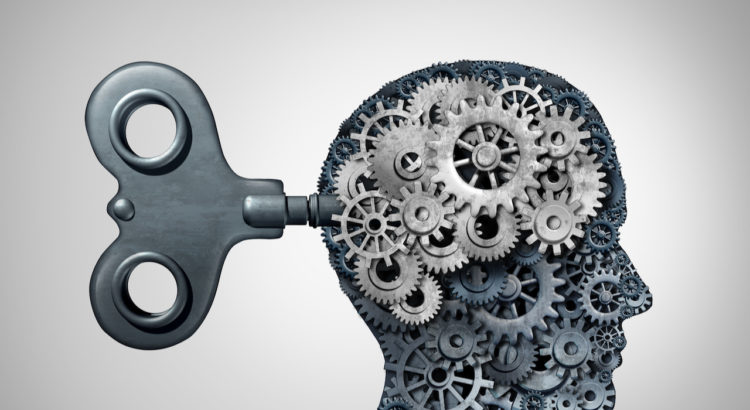
Who is responsible for unethical behavioural ‘nudges’?
As described in a previous HART bulletin, there has been a pervasive reluctance for the powers-that-be to discuss the questionable ethics of the covert behavioural-science techniques used by the Government throughout the covid-19 messaging campaign.
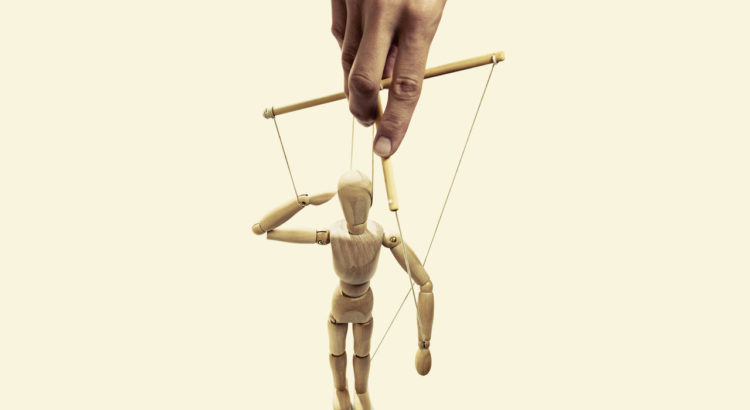
We need to talk about behavioural science…
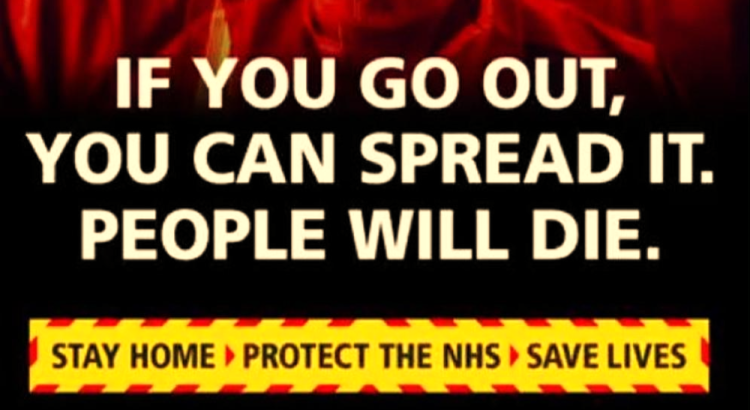
The Government’s use of behavioural-science – particularly ‘nudges’ that use fear inflation, shaming and peer pressure to increase people’s compliance with the state’s agenda – has evoked major concerns in relation to both the ethics and the collateral damage.
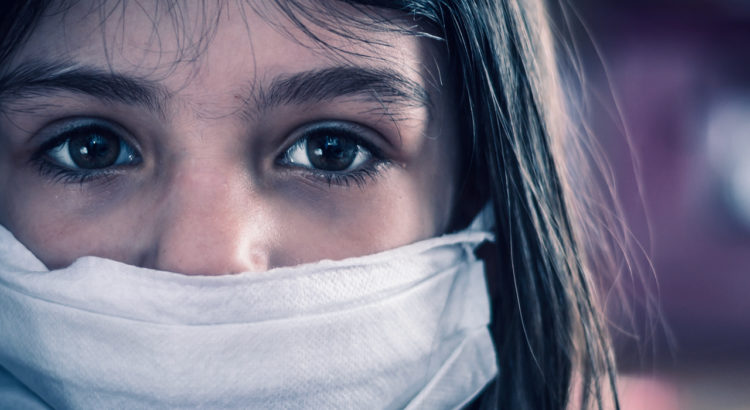
Drawing parallels between Covid-19 restrictions & domestic abuse
t is January 2019, and I am waiting in my therapy room for a new client, Daisy, who is 12 years old and being brought in by her mother. I am an experienced therapist, working for a charity supporting children and adults who are affected by domestic abuse.
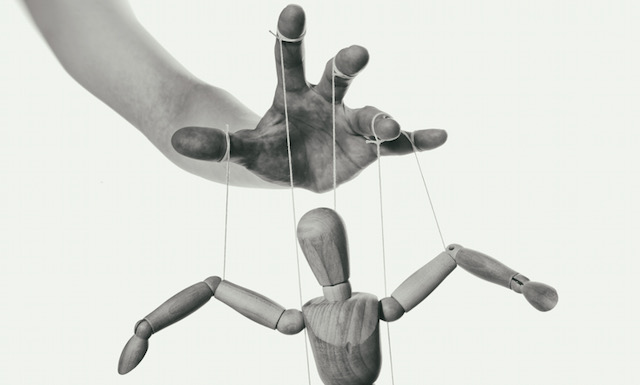
Help or Harm?
‘Thought reform’ is a term that Lifton (1989) coined to describe Chinese indoctrination techniques that were used during the Communist takeover; it is a concept and a process which many cult researchers and survivors are familiar with.
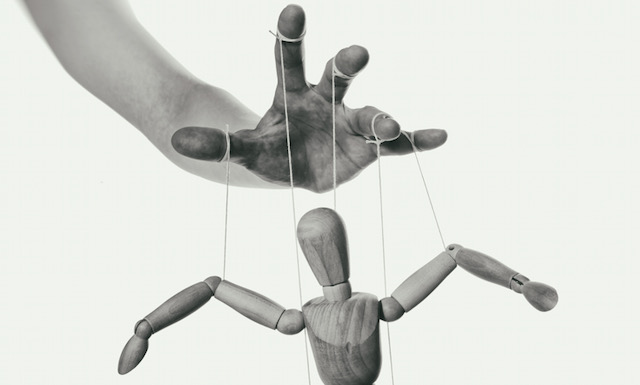
FULL ARTICLE: Help or Harm?
Thought reform is a process that brings about the systematic alteration of a person’s mode of thinking, a process of individual political indoctrination. It has a psychological momentum of its own; once installed – as many researchers on the issue of cults have found – there is no further need of an indoctrinating guru, teacher or other authority figure, because the subjects who have been indoctrinated reflexively take on that role, policing their own and others’ adherence to the ideology