The dose that was doubled, and then doubled again
Dr Clare Craig
Ask almost any doctor how much folate an adult needs to eat and the answer will be four hundred micrograms per day. That figure is printed on supplement bottles, prenatal tablets, cereal boxes and government leaflets the world over, and it is repeated so reliably that it has taken on the authority of a biological fact.
The body does not need 400 micrograms of folate a day. The real figure is almost exactly four times smaller, and the story of how the smaller number became the larger is a story of double-counting and industry influence on decision making.
The first panel
In 1989 the United States National Research Council published the tenth edition of its Recommended Dietary Allowances. Before then the estimate of folate required had not been evidence based but now there was funding to carry out the work to measure what the requirement was. The body loses about 50 micrograms a day. That is what we need. The evidence base suggested that 100 μg/day provided a substantial margin above deficiency. The eventual recommendation of 180–200 μg/day therefore represented not a demonstrated biological need for that quantity of folate, but a precautionary adjustment for the assumed incomplete absorption of naturally occurring food folates.
However, while folate from animal sources is fully absorbed, folate from fruit and vegetables was reckoned at the time to only be about 50 per cent absorbed. On that basis the panel set the allowance at 200 micrograms for adult men and 180 for women. This doubling was to allow for the lower availability of the plant folate that made up most of the diet. Given that meat, eggs and dairy all contain folate that is fully available it would be hard to find any diet that did not contain sufficient folate.
The hundred-microgram body
Folate is essential to life. Every cell uses it to build RNA and DNA and to switch genes on and off, and rapidly dividing tissues depend on it utterly. In those with a severe deficiency the result can be severe anaemia and worse. Because it is so essential to every cell, the body is built to hold on tightly to the folate we have. It is not built to be at risk if we do not eat a predictable diet.
The liver alone stores somewhere between 10,000 and 30,000 micrograms. Against a daily loss of around 100 micrograms, that is months of reserve with no intake at all. The kidneys have receptors to actively reclaim folate to stop it being lost in the urine. When folate runs short those receptors increase in number so that even less escapes. In pregnancy urinary loss also falls. The body keeps back what the baby, the placenta and the mother will need to grow. A nutrient this fundamental to cell function would be a reckless thing to waste and it is not wasted.
The consequence is that reaching a deficient state is a challenge. It generally takes prolonged poor intake, malabsorption, or alcohol dependency to produce it.
So how did we go from the 100 micrograms that we need each day to replace losses to the claim that we need 400 micrograms a day – an amount that no diet could ever achieve.
The second panel
Nine years after the first panel, in 1998, the Institute of Medicine produced the successor report. Alongside the usual US federal agencies, the 1998 panel was underwritten by a new source – the Dietary Reference Intakes Corporate Donors’ Fund. The donors were listed beneath it: Roche Vitamins, Mead Johnson Nutrition Group, Daiichi Fine Chemicals, Kemin Foods, M&M Mars, Weider Nutrition Group, and the Natural Source Vitamin E Association. Three of the seven had a direct commercial interest in the answer. Roche Vitamins was at the time the largest manufacturer of synthetic folic acid in the world. Daiichi Fine Chemicals also made it. Mead Johnson made infant formula, fortified with it.
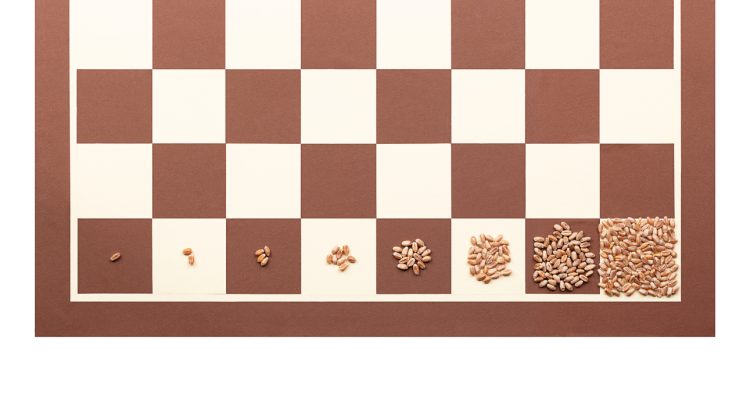
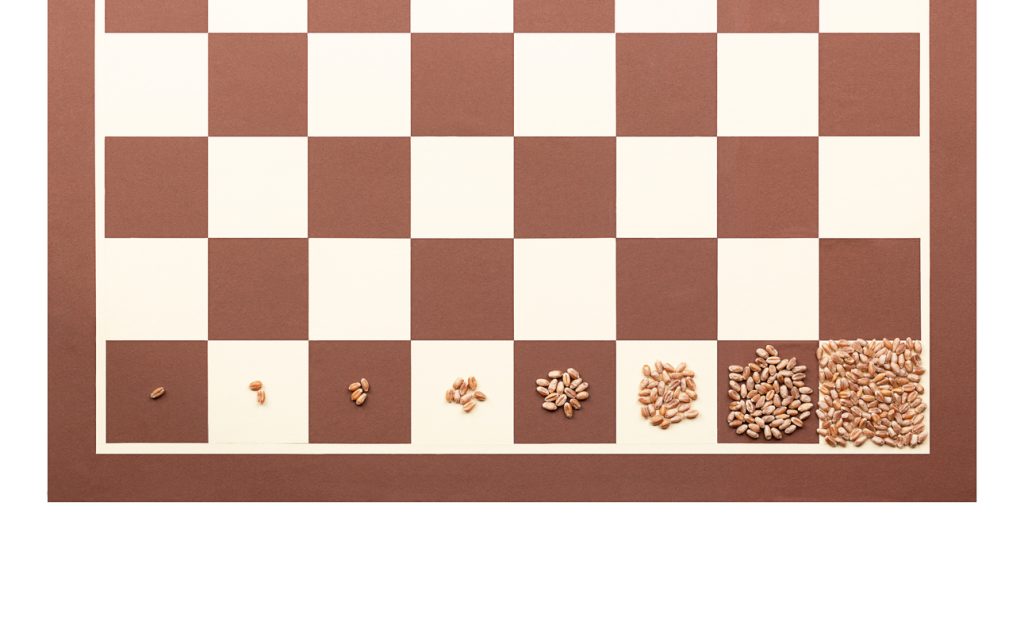
In 1989 the folate allowance had been set by an independent panel of government-funded scientists. In 1998 this panel part-funded by the manufacturers of synthetic folic acid doubled it. They used the same reasoning that the 1989 panel had used to double the requirement from 100 micrograms of absorbed folate to 200 micrograms from fruits and vegetables. Only this time they took the 200 micrograms as if that is what the body required and doubled it to 400 micrograms. The dose printed on every supplement bottle, every prenatal tablet, every box of fortified cereal and from December 2026, every sack of British white flour, descends from that 1998 number.
Worse, the 400 number has been translated into 400 micrograms of folic acid which is all bioavailable. The consequence is that the daily dosing is four times higher than what the body requires and is on top of the 100 micrograms which any diet already contains. Put plainly, the recommended dose is not topping up a small shortfall; it is the body’s entire daily requirement delivered four times over, on top of the folate already coming from ordinary food.
A 2006 study actually measured the folate absorbed from food. Their result put the figure for how much folate is absorbed from fruit and vegetables closer to 80 per cent. What we take from our food has been underestimated.
Industry had managed to hoodwink everyone to suggest that we needed an amount four times higher than we need and importantly an amount that could never be achieved from any diet. The official recommended daily allowance made it look like we could not be healthy without eating industry’s supplements.
How much folate is in food
The simplest test of a recommendation is to hold it up against an ordinary plate of food. A serving of chicken liver carries 500 to 600 micrograms of folate. A cup of cooked lentils, around 350. A cup of cooked spinach, more than 250. Asparagus, broccoli and beans all add their share. Even on the pessimistic absorption figures, a normal mixed diet routinely supplies far more folate than the body actually requires.
This is exactly why the 1981 Committee on Medical Aspects of Food Policy concluded that there was no public health problem of folate deficiency to solve. The panel argued correctly that food already supplied plenty of folate. Nobody needs a supplement.