In the 2nd of this 2-parter, Dr David White goes through the calculations behind the grossly misleading claim of 475,000 lives saved in England and Scotland by the covid vaccines. He makes a cogent case for zero benefits only harms.
Covid vaccines
Why was the public not informed promptly about Pfizer myocarditis risks?
Israeli data from early in 2021 on myocarditis in young males. Why was it shared with regulators internationally but not with their own citizens?
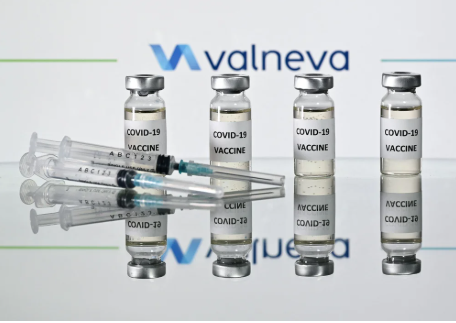
Whatever happened to Valneva?
Does anyone know the real reason why Valneva’s whole inactivated virus standard technology vaccine was dropped by the UK and the EU in favour of the mRNA vaccines? Answers on a postcard please!
A second letter to our fifth Prime Minister
A follow-up letter to Andy Burnham gains press coverage but will the Prime Minister reply or will he just follow the narrative set by Boris Johnson, Rishi Sunak & Keir Starmer?
An Open Letter to our Fifth Prime Minister
160 health professionals have written to our 5th Prime Minister in as many years. But will Andy Burnham be the one with the courage to think the unthinkable that the mRNA covid vaccines were neither SAFE nor EFFECTIVE?
The Covid Inquiry’s estimate of 475,000 lives saved by vaccination: Part 1
Baroness Hallett quoted 475,000 lives saved by the covid vaccines in England and Scotland. David White explains how such a nonsensical estimate can be reached even if using a placebo.
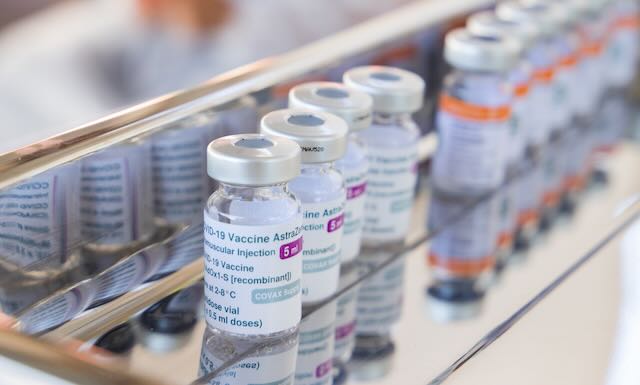
The AstraZeneca Files
Dr Ros Jones reviews information on AstraZeneca, from the children’s trials, to the disappearance and final withdrawal of this ‘British success story’
Module 4 report from a children’s perspective
A detailed review of how Baroness Hallett and her team viewed their responsibility to children. Answer mostly by ignoring them
Module 4 began with its Answers
Baroness Hallett published the Covid-19 Inquiry’s fourth report on 16 April 2026. It seems as if the verdict had effectively been reached before the first recommendation was written. The vaccination and therapeutics programmes were, it said, “two of the success stories of the pandemic.” The rollout was “an extraordinary feat.” One study, the report noted, estimated that vaccination had saved around 475,000 lives in England and Scotland (a modelling concoction thoroughly debunked, see below).
People’s Vaccine Inquiry: Witness Statement 5
This witness statement was prepared for the People’s Vaccine Inquiry by a group of practising clinicians, all members of the Doctors for Patients UK. It makes extremely worrying reading and describes the increasing morbidity and mortality seen from 2021 onwards, in particular cardiovascular problems and rapidly progressing cancers.
People’s Vaccine Inquiry: Witness Statement 3
Nick Hunt, first author of the Perseus report, is a retired senior civil servant form the Ministry of Defence, with extensive experience in another critical safety sector. His witness statement for the UK Inquiry highlights the organisational failures of the MHRA, both in the initial rush to give conditional marketing approval and then lack of agreed safety requirements for the post-marketing pharmacovigilance.
UK Covid-19 Inquiry: Transparent or what?
The UK Covid Inquiry requested witness statements from four dissenting groups, then asked us not to publish them, then sat on them for 16 months then said they were irrelevant. This is transparency and rigour as practised by Baroness Hallett and her team. Modified statements were all published by the People’s Vaccine Inquiry but the originals are now published in full here.
People’s Vaccine Inquiry: Witness Statement 1
HART ‘s witness statement as requested by the UK Covid-19 Inquiry, pubished here
People’s Vaccine Inquiry: Witness Statement 2
The Children’s Covid Vaccines Advisory Council witness statement prepared at the request of UK Covid-19 Inquiry, who have then failed to publish it on the Inquiry website. Here for public record.
MHRA Have Evidence of Harm
MHRA are not telling anyone, but you can Cheryl Grainger Way back in 2022, Dame June Raine the now retired CEO of MHRA, did a presentation in Wales covering the 4 “pillars” of their safety monitoring. She mentioned that in the Yellow Card Vaccine MONITOR (YCVM), there were over 2,000 pregnant women and she was […]
UK Covid Inquiry Module 4 – Vaccines and Therapeutics
Baroness Hallett today publishes the 4th report from the UK C-19 Inquiry. The People’s Vaccine Inquiry group take a preliminary look at her conclusions.

The things you have to do to be heard
What a new nursing home study hides Dr Clare Craig A new paper in Medical Research Archives examines all-cause mortality across 15,000 US nursing homes from May 2022 to June 2023, stratified by vaccination status. The authors – Denhaerynck, Mead and Wolfinger – use forward and reverse lag models to show that mortality rose following […]
Charity statement ahead of Inquiry’s report on vaccines and treatments
Today the Inquiry releases its module 4 report It is a difficult day today for the vaccine injured who have struggled to be heard. The following statement is from Caroline Pover who is the chair of trustees at the charity UKCV family. The charity will also be making a statement in response to the report. COVID […]