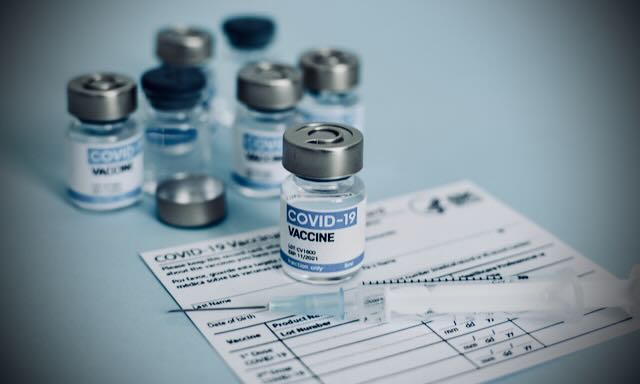
In this article, we will explore the difficulties in measuring the true extent of adverse reactions from the vaccines, the potential risks associated with different batches of vaccines, and the impact of vaccine rollout on hospital resources and the workforce.
Cardiac Data
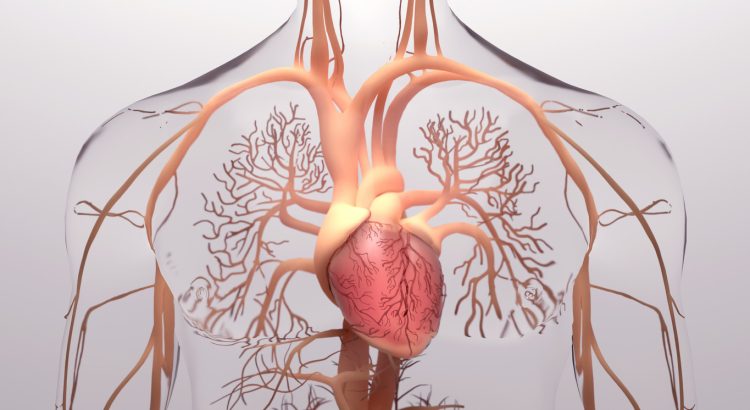
What have viruses and vaccines got to do with the heart?
There are three types of heart disease that are relevant to covid virus and vaccines and what we know about them and how they relate to other virus infections is worth taking some time to understand. Those are inflammation (eg myocarditis) and ischaemic heart disease (where narrowing of the arteries leads to heart attacks): either of these conditions may result in cardiac arrest.

Singapore is a control group
The Singapore government released data on their excess deaths in 2021 which is a window into what has caused excess cardiovascular deaths. Singapore is interesting because covid deaths did not feature until September 2021. Prior to that date only 29 deaths had been attributed to covid.

Joint open letter to Charity Commission
Joint Open Letter from Doctors for Patients UK, HART and the UK Medical Freedom Alliance to Helen Stephenson, CEO, Charity Commission
Re: Allegations that the British Heart Foundation (BHF) is involved in concealing and withholding important information relating to harms to cardiac function caused by the novel mRNA vaccines

Myocarditis began with vaccine rollout
Although there have been several epidemiological analyses of myocarditis, that simple comparison is never made. Where uninjected people are looked at specifically, there is no evidence of an increase in incidence. HART has previously summarised the data after infection in the injected compared to the uninjected.
An alternative approach is to look at how common myocarditis is over time. Did the incidence increase with the arrival of covid in 2020 or the arrival of injections in 2021?

What are people NOT dying of
In the second half of the year (June to end Nov) there have been considerably more deaths in 2022 than were seen in the same periods of 2020 and 2021 (see table 1). Why have more people been dying?

Revisiting the claim that “myocarditis is more common after covid than after the vaccine”
‘Myocarditis is more common after covid than after the vaccine’ is a statement often made in response to safety concerns raised but what is the evidence for these assertions?

(Yet) more worrying data on myocarditis in children
Hart recently published an article summarising the results of a study performed in the US military which found that nearly 3% of those vaccinated with smallpox vaccine developed subclinical myocarditis (defined by an increased troponin level – which was prospectively measured in all subjects).

Open Letter: Covid-19-vaccine-associated Myocarditis – a Cumulative Risk
We, the undersigned, are writing to express our deep concern at the guidance regarding further mRNA vaccination after any episode of myocarditis, as detailed in the UKHSA guidance for healthcare professionals.
Measuring the extent of the Myocarditis Iceberg?
In 2015 a team of researchers employed by the medical services of the US military published a peer-reviewed paper on the incidence of myocarditis and pericarditis after smallpox vaccination (SPX) and vaccination with an inactivated trivalent influenza vaccine (TIV).

More worrying data on myocarditis / pericarditis
Two new studies on myocarditis / pericarditis after mRNA vaccination have been published in major peer-reviewed journals.
Both are based on very large population samples. Both these studies find significantly higher rates of myocarditis, especially in younger males, than governments have to date acknowledged publicly.

Is myocarditis risk worse after vaccination or infection or both?
The official narrative claims that vaccines prevent infection and therefore reduce risk of myocarditis from infection. This claim is reliant on two points: 1. Vaccines reducing infections 2. That infection related myocarditis occurs at a lower rate in the vaccinated.
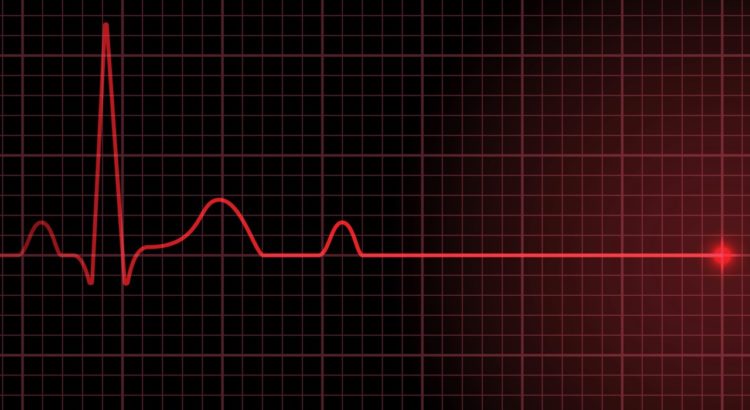
An epidemic of Cardiac Arrests
The rise in ambulance calls for cardiac and respiratory arrests suggests that people are right in their suspicions and that there are good reasons for genuine concern about the health of the nation’s hearts.